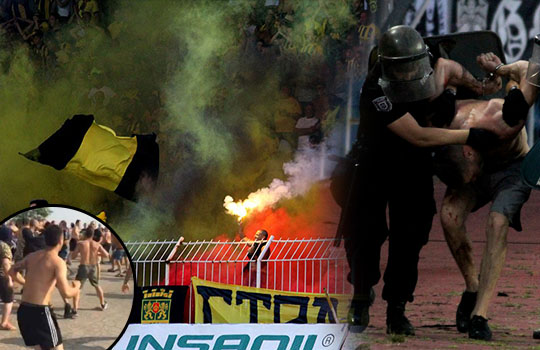
Bigg fight today in Belgrade

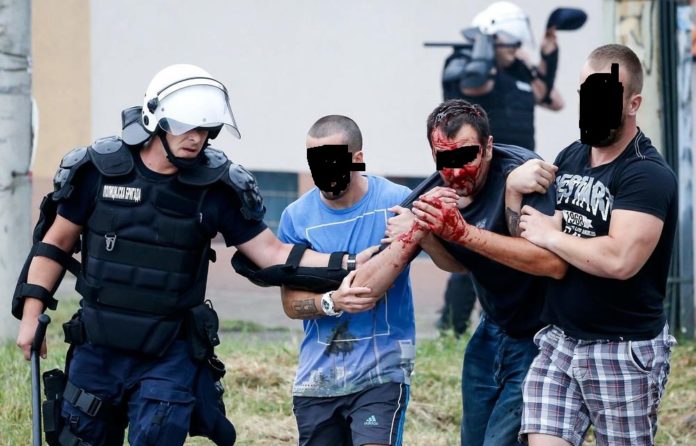
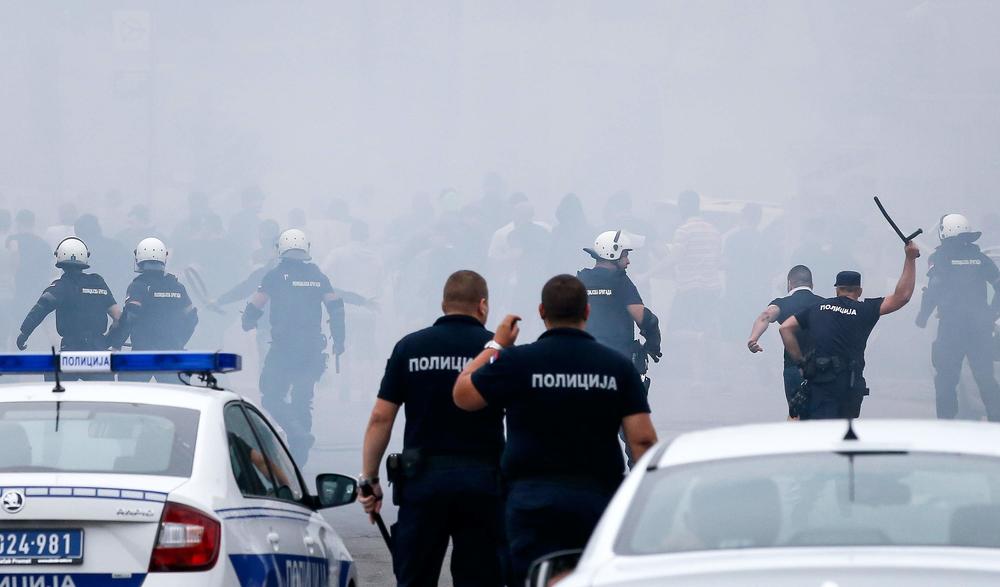
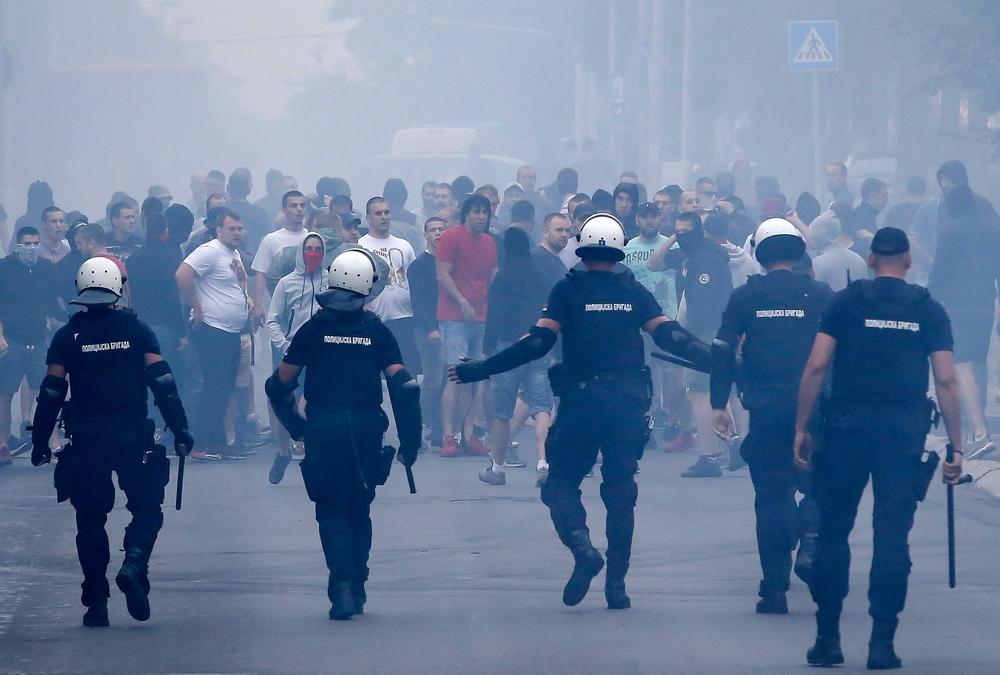
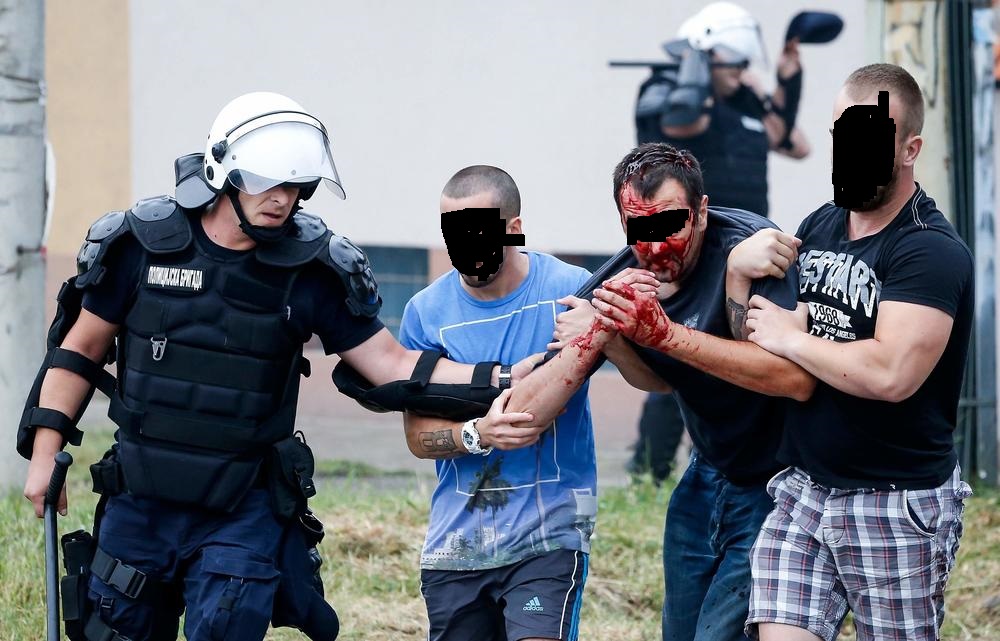
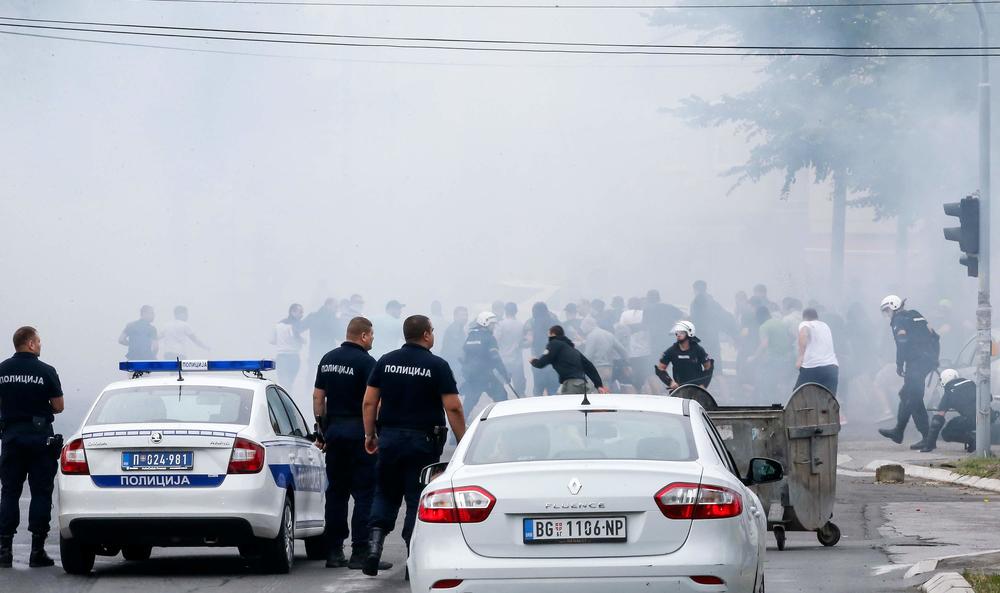
The big fight of the fans took place before the game between Partizan and Red Star youths. In the morning, there was a great conflict in Zemun in front of the Teleoptic stadium where the game is played. As the portals of the conflict transfer, juice bombs were used, and the police barely managed to split the warring sides. It is suspected that the young Grobari gathered around the group of the South Tribune, have sacekused the older Red Star Red Army team in the decisive game for the title of the champions of the Serbian Youth League. Although the Red Star leaders asked for the match to be played at the Partizan stadium, basically because of possible incidents, people from the FSS rejected it.
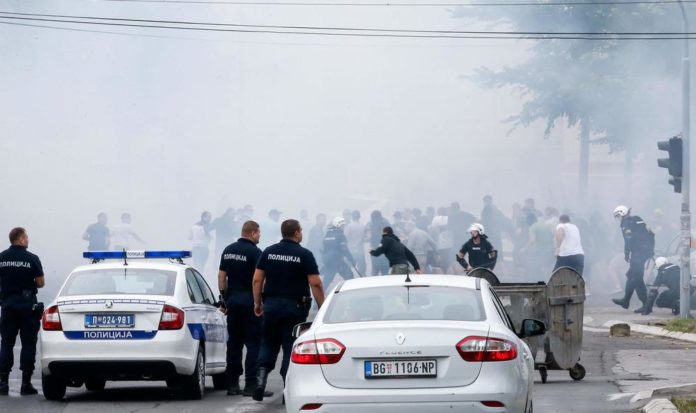
The intervening police flew in among the fought fans. Traffic stopped. There was general panic among the citizens who found themselves on the spot. The conflict lasted for about ten minutes.


Recall, at 11 am, the derby of the youth league Partizan – Crvena zvezda started at Teleoptik. The star needed a win to stay in the race for the title.

The panel where fans of the Stars were supposed to be located is currently empty. The police did not allow them to go up.

Veliki sukob u Teleoptiku

Velika tuca navijaca dogodila se pred utakmicu omladinaca Partizana i Crvene Zvezde, naime u jutarnjim casovima doslo je do velikog sukoba u Zemunu pred stadionom Teleoptika gde se inace igra utakmica. Kako portali prenose u sukobu su koriscene i sok bombe, a policija je jedva uspela da razdvoji zaracene strane. Sumnja se da su mladji Grobari okupljeni oko grupe Juzna Tribina pripredili sacekusu starijoj ekipi navijaca Crvene Zvezde u odlucujucoj utakmici za naslov prvaka omladinske lige Srbije. Iako su celnici Crvene Zvezde trazili da se utakmica odigra na stadionu Partizana bas zbog mogucih incidenata ljudi iz FSS su to odbili.


FOTO: Starsport©


Interventna policija je uletela među sukobljene navijače. Zaustavljen je saobraćaj. Nastala je opšta panika među građanima koji su se zatekli na licu mesta. Sukob je trajao desetak minuta.

Podsetimo, na Teleoptiku je u 11 časova poče derbi omladinske lige Partizan – Crvena zvezda. Zvezdi je potrebna pobeda kako bi ostala u trci za titulu.

Tribina na kojoj su trebali da budu smešteni navijači Zvezde je trenutno prazna. Policija nije dozvolila uzlazak.

Protesti navijača Borca u Banja Luci

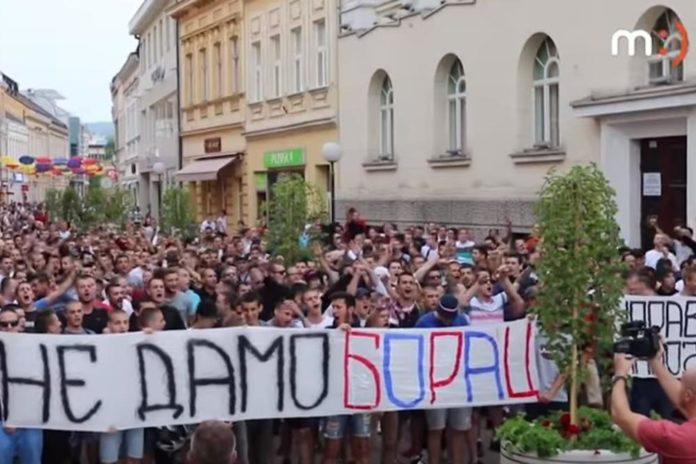
Nekoliko stotina navijača fudbalskog kluba Borac učestvovalo je prije dva dana, u protestnoj šetnji centrom Banjaluke, tražeći smenu uprave, pošto klub nije dobio licencu za igranje u Premijer ligi BiH u narednoj sezoni.

U protestnoj šetnji učestvovali su i brojnih bivši igrači kluba, kao i bivši kapiten Boris Raspudić, kome je nedavno uprava, kako su naveli, na veoma ružan način otkazala dalju sardanju.

Navijači su se okupili na Trgu Krajine, odakle su prošetali kroz Gospodsku ulicu, prošli pored Gradske skupštine i Palate republike, do Narodnog pozorišta RS.

Sve vreme su skandirali: “Uprava napolje”, “Marš iz Borca” i “Ne damo Borac”.

Fudbalski klub Borac ostao je bez licence za takmičenje u Premijer ligi Bosne i Hercegovine za narednu sezonu zbog neispunjenih finansijskih obaveza prema Školi fudbala “Džaja”, koji iznose 600.000 maraka (oko 300 hiljada evra).

“Nažalost očekivan rasplet, jer nismo uspeli da postignemo dogovor sa Školom fudbala ‘Džaja’, kojoj smo nudili 160.000 maraka odmah, plus potpisan ugovor sa garancijom Fudbalskog saveza Republike Srpske o isplati preostalih dugovanja na rate. Ova ponuda je odbijena, verovatno po instrukcijama iz federalnog dela saveza”, rekao je potpredsednik Borca Vico Zeljković.

On je dodao da će se dalja sudbina kluba znati posle sednice Upravnog odbora.

“Postoje tri opcije, a to su: prelazak u Prvu ligu Republike Srpske, fuzija sa nekim drugim klubom ili bankrot i odlazak u najniži rang i početak od nule gde bi svi dugovi Borca, a kojih nije malo, bili otpisani”, kazao je Zeljković.

Iz Škole fudbala ‘Dzaja’ skoro su izdali saopštenje za javnost u kome kažu za Zeljkovića da je grobar Borca i da je on isključivi krivac za ne dobijanje licence.

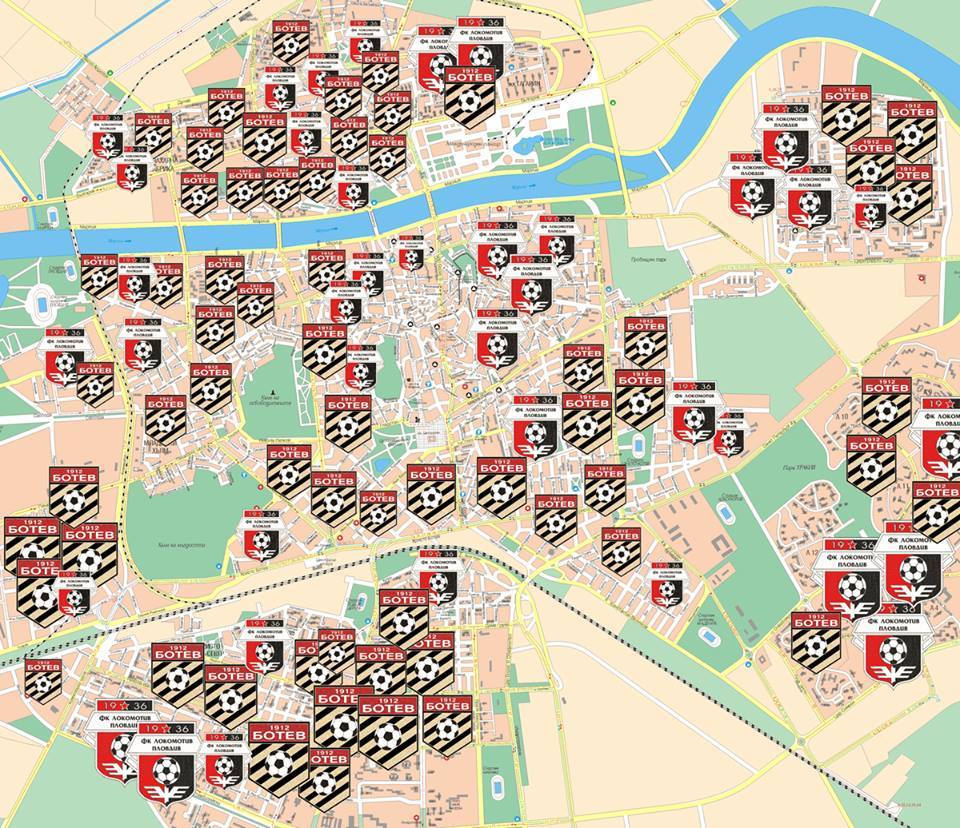
Navijacka mapa i derbi Plovdiva

Plovdiv je drugi po velicini grad u bugarskoj i broji oko 350 000 stanovnika, to je jedan od retkih gradova koji se moze pohvaliti da ima dva kluba koja su clanovi najjaceg ranga u Bugarskoj i koji ima dve ozbiljne navijacke grupe.

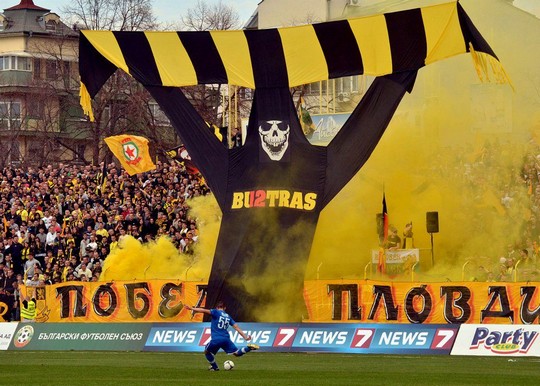
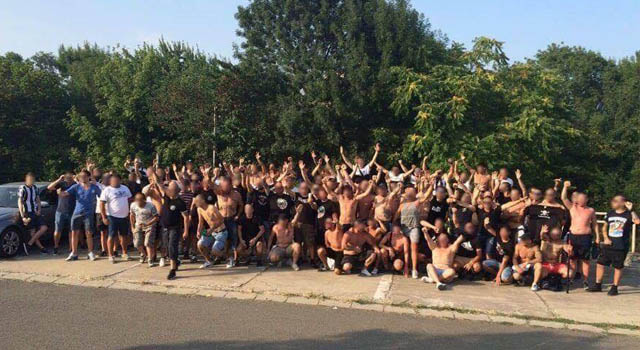
PFC Botev je najstariji fudbalski klub u Bugarskoj nastao 1912. godine kada je grupa studenata odlucila da osnuje klub i da mu ime po bugarskom nacionalnom heroju Hristu Botevu, stadion je takodje dobio ime po njemu, a grupa se zove Bultras.


PFK Lokomotiva Plovdiv je najveci rival gore pomenutog Boteva, nastala je 1926. godine i igra na istoimenom stadionu. Navijaci Lokomotive zovu se Lauta Army, a naziv su dobili po parku u kojem se nalazi stadion.


Rivalitet izmedju ova dva kluba je ranijih godina prestavljao klasnu razliku pa su tako za Botev navijali imucniji i obrazovaniji ljudi iz Plovdiva dok je za Lokomotivu navijala radnicka klasa i siromasniji gradjani.

Ovo rivalstvo je mnogo vise od obicnog fudbalskog nadmetanja pa je tako na dan odigravanja gradskog derbija prava ludost prosetati sa salom ili dresom Boteva kroz kraj gde dominiraju navijaci Lokomotive i obrnuto. Cesti i brutalni su sukobi pripadnika ovih dveju grupu. Botev ima mnogobrtojniju armiju navijaca i odnos je otprilike 70:30 , dosta krajeva grada je izmesano, a obe grupe imaju dominaciju oko svojih stadiona.


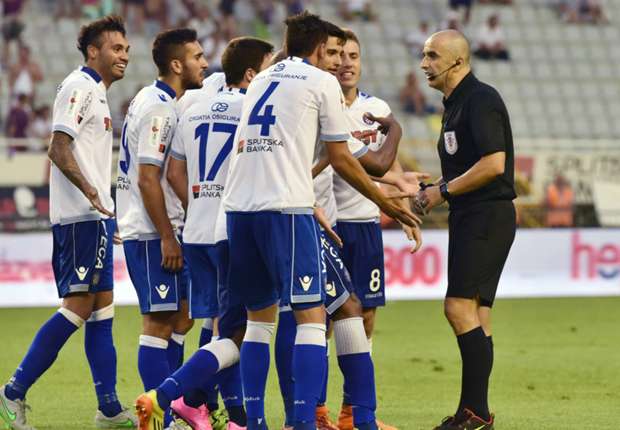
Hajduk tuži HNS zbog sudačkih pogrešaka!?

U zadnje četiri godine Hajduk je oštećen u 37 posto derbija s Dinamom, dok se u zadnje dvije taj broj penje na vrtoglavih 67 posto, tvrde iz Splita
Nakon što je HNS-u vratio medalja sa finala kupa i poslao staklene replike, Hajduk, ogorčen suđenjem posljednjih godina, te u vinkovačkom porazu od Dinama, vuče još drastičniji, nevjerojatan potez: Sudu će tužiti HNS i tražiti novčanu naknadu zbog sudačkih pogrešaka!?

U podužem priopćenju, na Poljudu tvrde da je analiza derbija s Dinamom pokazala kako je Hajduk u posljednje četiri sezone oštećen u devet derbija, a Dinamo u dva od 23 sudara.

Te da će te snimke poslati na više adresa, među ostalim i Čeferinu u Uefu i Bobanu u Fifu.

Hajdukovo priopćenje prenosimo u cijelosti:

HNK Hajduk već godinama vodi borbu za uspostavljanje pravednijih odnosa u hrvatskom nogometu, a jedna od ključnih stvari u toj borbi je rješavanje aktualne situacije unutar sudačke organizacije.

Posljednji događaji na finalnoj utakmici Hrvatskog kupa samo potvrđuju našu tezu kako je sudačkoj organizaciji pod hitno potrebna neovisna reforma na svim razinama natjecanja. Uvođenje respektabilnog stranog povjerenika za suđenje je rješenje koje su primijenili i drugi savezi i koje je podiglo kvalitetu suđenja te to smatramo nužnim. Smatramo i uvjereni smo kako je povjerenje već odavno izgubljeno, a slijedom toga u svrhu procjene kvalitete suđenja, analizirali smo isto u posljednje četiri godine.

Za analizu smo uzeli u obzir samo suđenje u najvećem derbiju hrvatskog nogometa jer one donose najveću rezultatsku, ekonomsku i marketinšku vrijednost. Moguće je da smo propustili koju situaciju na štetu bilo kojeg kluba, ali dodatne greške kvalitetu suđenja čini još gorim. Također naglašavamo kako je ovako kratkim uratkom nemoguće ukazati na tendencioznost sudačkog kriterija, kao nešto što usmjerava utakmicu i vodi je određenom ishodu, pa smo u tu svrhu izdvojili tek poneki očit prekršaj koji govori u tu svrhu. Svjesno nismo htjeli imenovati suce pojedinih utakmica jer držimo da nisu problem individualci, već čitav, u startu krivo postavljen nakaradni sustav. Cilj ovog videa i analize je isključivo vezan uz ocjenu kvalitete rada sudačke organizacije.

U analizu su pobrojane samo one sudačke greške koje su očite. Za svaku grešku je priložen i video zapis greške.

Što mislite koliko je u posljednje četiri godine bilo krucijalnih sudačkih pogrešaka u derbijima na štetu Hajduka?

Što mislite koliko je u posljednje četiri godine bilo krucijalnih sudačkih pogrešaka na štetu Dinama?

U odnosu na ove brojke HNK Hajduk je u posljednje četiri godine (23 utakmice) oštećen u skoro 40 posto utakmica odigranih protiv GNK Dinamo, a u posljednje dvije godine taj postotak se povećava na nevjerojatnih 67 posto.

U istom razdoblju od četiri godine GNK Dinamo je oštećen u 8,6 posto utakmica. Ponavljamo, moguće je da smo propustili poneku pogrešku na štetu obje momčadi, ali brojke su više nego indikativne.

Činjenica je da su i naši suparnici kao i Hajduk znali biti oštećeni krivim sudačkim procjenama pa se Hajduk bori za pravedan i kvalitetan sustav suđenja u hrvatskom nogometu, a ne za svoj položaj kod sudaca. Kvalitetan sustav suđenja je jedan od ključnih uvjeta da uvijek pobijedi bolji te da se nogomet pravilno i brže razvija te se posljedično podiže konkurentnost hrvatskih klubova u europskim natjecanjima. Stoga smo znali i javno upozoriti i na suđenje kada je oštećen naš protivnik (npr. Hajduk – Lokomotiva, 28 kolo ).

Lošom kvalitetom suđenja nastaju štete klubu koji je oštećen, ali i cjelokupnom nogometu. Pitamo se kolika je šteta koja nastaje ovakvim suđenjem na posjetu stadionu, prodaju, pretplate, interes sponzora, vrijednost igrača itd. Ujedno ispitujemo i mogućnost naknade šteta od odgovornih.

Sustav upravljanja hrvatskim nogometom je preslikan na sudačku organizaciju. Podsjećamo i na analizu “Analizu upravljanja hrvatskim nogometom: Okvir za dobro upravljanje u sportu – problemi i rješenja“.

HNK Hajduk ni u jednom trenutku nece posustati i ovu borbu za pravedne odnose u hrvatskom nogometu vodit će i dalje svim raspoloživim zakonitim sredstvima.

I pobijedit će, jer ovakve utakmice Hajduk ne gubi!

(www.goal.com/hr)

Top 11 movies about football

The World Cup is at the front door. One month will be looking for the best team in the most important side thing in the world that is not for many, but most important. Days are when even those who are not big football fans, for various reasons, watch matches and monitor events in the host country (this year, this is Russia). As a warm-up for the hot football days, Goodtalking brings you a team of 11 football movies worth seeing. Documentary and feature films, titles associated with the big game and (or) the world of football fans. Some of them show how important a soccer game is to society, or how it affects political, social and any other turmoil (the soccer match was a trigger for the short-term conflict between El Salvador and Honduras). The films on the list of recommendations are also for lovers of the seventh art whose football is not an important life interest. The selected films are:

1st Victory in Victory – 1981


DIRECTOR: John Houston
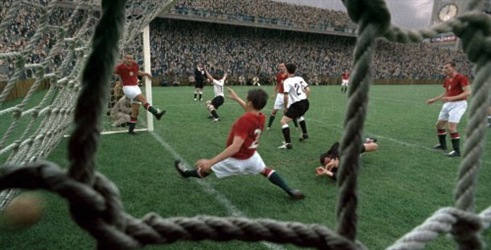
“Escape to victory” is one of the most famous football films. Inspired by the Hungarian film “Two Halves in Hell” by Zoltan Fabry in 1961, Houston showed that football is often more than a game, a means of propaganda. The story of the film begins when a group of captured Allied soldiers approaches a match against the football team of Nazi Germany. The Nazis need the game to show that they are superior on the football field as the soldiers plan to take advantage of the escape game. Germans are favorites, they look invincible, but a crew composed of detainees has their own …
Houston gathered a very interesting acting team. Max Von Sydow, Michael Caine and Sylvester Stallone (the hero of the match – an American who does not really know much about football but defends the key ball at the end of the film) are the main actors of the acting. There is no end to it – the interest and value of the film are the then football stars that appeared in the movie (Bobby Moore, former coach Dinamo Osvaldo Ardilles, Paul Van Himst, Kazmierz Deynn and many of the greatest footballers in Pele history). Funny, for some in parts excessively pathetic “Escape to Victory” is a compulsory film lector not only for football fans. If nothing else is due to the acting team and a few superbly directed scenes, the most memorable moment of Pele's scissors, which German Von Steiner (Von Sydow) must be entangled with.

You can see the scene of the football filmmakers HERE

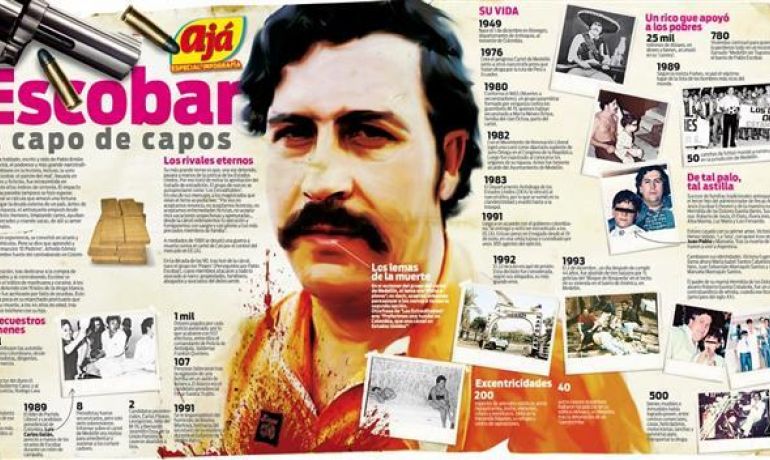
2. TWO ESCOBARA (The Two Escobar) – (2010)


Directors: Jeff & Michael Zimbalist
Of course, we know a lot about Escobar, Pablo. We know a lot less about the other Escobar, the Colombian footballer, Andres, and he was much more aware of him after his death. In the documentaries of Jeff and Michael Zimbali, we can see how fate the two Escobar's were linked, although the soccer player and the king of cocaine did not hang out too much.
In the early nineties, football clubs in Colombia became a toy cartel. The clubs were financed with money from drugs – not the drug cartel bosses were driven only by sports motives, challenges. Clubs also served for illegal activities (eg money laundering). The strengthening of the clubs was also strengthened by the Colombia football team that came to the US Championship in 1994. Euphoric fans in Colombia were expecting (least) finals but the ball was different – Colombia was in the first round. One of the tragedians was Andres Escobar who turned the ball into his own network to win the US against Colombia. The consequences for Andres were terrible, scariest possible ..
The “Two Escobar” shows the interweaving of politics, football and the Colombian drug cartels at the time of their greatest power. Every time a football player talks about the pressure of the audience and the media, he should look at the “Two Escobar”. The pressure under which Colombian footballers played was …. It's best to see for yourself.


3. PROKLETI UNITED (The Damned United) – (2009)


Director: Tom Hooper
“Nottingham Forest” is a unique story of the football world. The club, which included, among others, Peter Shilton, Roy Keane and Stuart Pierce had been a European champion rather than an English champion. In 1978, “Forest” became champion of England, a year later, and Europe. The title defenders managed to defend the European, but not the English top. Today the club is away from the day that Nottingham was the center of football Europe – fans of the club and all fans of football remain memories like those recorded in the film “The Bloody United”. This is a biographical story about Brian Clough, the creator of wonders from Nottingham, according to many surveys, still the best coach in England's history. The film describes Clough's coaching career, the rise from the fourth league since the first major failure – short episodes in “Leeds United” (it's a goddamn united title) and the download of “Nottingham Foresta” on whose bench left a bit shorter than Arsene Wenger in “Arsenal” (from 1977 to 1992). Although the film story has hidden parts of Clough's biography (alcoholism), “Bloody United” very well displays relationships within the football club as well as an overview of English football. The film works equally well as the biography of Brian Clough and the story of football. A particularly interesting relationship between McClough and his assistant responsible for the success of “Forrest”
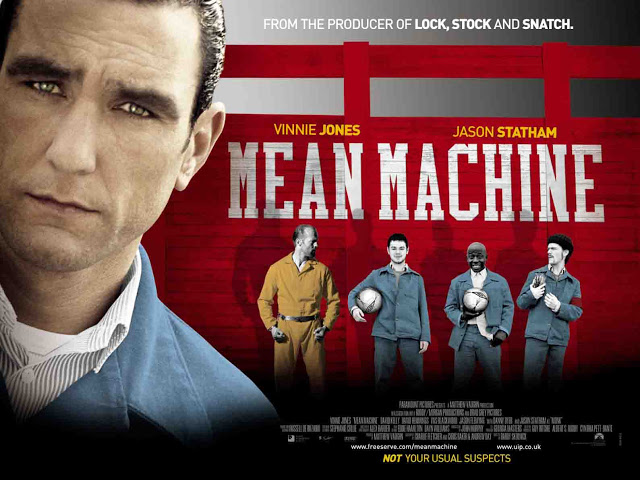
4. THE PRINCIPLE (Mean Machine) – (2001)


DIRECTOR: Barry Skolnick
Wimbledon's sensational victory over Liverpool in 1988 in the FA Cup final was the highlight of the sports story with film elements. Wimbledon gathered at that time a crazy gang – a group of footballers who compensated for the lack of talent by aggression, fights and, often, a rough, dirty game (about the behavior of Wimbledon's first-timers out of the field could be written). Dennis Wise, John Fashan, Dave Beasant, Lawrie Sanchez and a gentleman who made a respectable acting career were the most famous members of the Crazy Gang (the nickname they received from the media there). It's about Vinnie Jones (“Missing in 60 seconds”, “Thieves, killers and two loaded guns” which was an ideal choice for the role in “Mean Machine.” The story of the film is not genuine – the action is a combination of the aforementioned “Escape to Victory” and “The Longest Yard” of 1974 with Burt Reynolds in the lead. Jonnes interprets Danny Meehan, a football star serving prison sentences Meehan clashed with the police and must serve the sentence. Meehon's jail fate complicated at the moment when learns about a friendly football game between guards and prisoners.
“Mean Machine” filled with colorful characters (in the film, performed by Jason Statham), humor and hilarious dialogues. A football movie worth watching.
5. MESSI – (2014)


DIRECTOR: Alex de la Iglesia
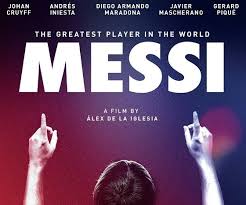
The documentary of Spanish director Alexa de la Iglesia (“The Day of the Beast”, “Perdita Durango”) talks about one of the best (for many and the best) footballer in the history of the game. Iglesia has portrayed Messi's life story from the beginning, the arrival of a little boy in Barcelona (who helped solve the Messiah's health problems) to stellar moments, winning club trophies, demolishing various records. Messi is spoken by former and current teammates (Pique, Iniesta, Mascherano) and giants of the football game (Johann Cruyff, Cesar Luis Menotti – interesting scenes of talking about Messi in the restaurant). Although ninety minutes is too little for all of Messi's reach (the film was shot in 2014 – since then Messi has improved statistics and won new trophies), the documentary is an interesting story about a great game. Although he won all in the jersey of Barcelona, ​​Messi in Argentina did not reach the glory of Diego Armando Maradona several times. He won Messi Olympic gold, he was the second in the world, but Maradona will only reach if Argentina in his era becomes the champion of the world. The Championship in Russia may be the last chance ….
6. THE WONDERFUL OF BERNE (Das Wunder von Bern) – (2003)


DIRECTOR: Sonke Wortmann
“Football is a game in which 22 players run for a ball for 90 minutes and in the end always win the Germans.” – the words of the English national player Gary Lineker are amazed by the regular victory of the German football team over England. One of the greatest victories of the German football team, and one of the biggest surprises in football history, happened in 1954 at the Swiss championship. The World Cup was then dominated by the Light Horse – the golden generation of Hungarian football led by Ferenc Puskas. In the first phase of the championship, the Hungarians defeated Germany with an incredible result; The match ended 8: 3. Representatives met again in the final, Hungary took 2-0 and stopped. Germany turned the result and won the championship with 3: 2. The surprise was so much that even today there are ongoing discussions about the supposedly doping of Germany's players – whether the members of the Elf took inadmissible funds remains a question for history, but the miracle happened.The film discusses football events from Berne, but at the same time it shows postwar Germany, and how one of the biggest surprises in football history has affected the nation's mood.
7. Fever Pitch – (1997)


DIRECTOR: David Evans
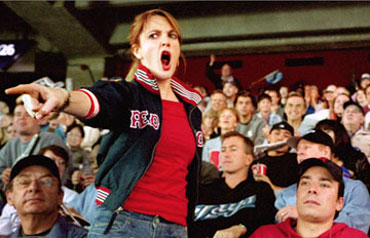
“Sports Fever” is a romantic comedy based on Nick Hornby's literary template. The action of the film introduces us to Paul Asworth (Colin Firth). Paul is a true fan – from his early fellow fans of “Arsenal” (that Wenger from London), his love for the club was inherited from his father. Years pass, Paul is a professor of English, but the love for the club has remained the same. But a new love appeared – Sarah, a colleague and Paul's better half that Arsenal and football are not interested in at all. Paul has to decide which love is more important and stronger.
“Sports Fever” perfectly describes the love jades of fans, fans of football when confronted with new life responsibilities. The story of love, football, growing up and moments when football stops is the most important thing in the world, but remains the most important side thing in the same world.
8. NAVIJAČKO LUDILO (Football Factory) – (2004)


DIRECTOR: Nick Love
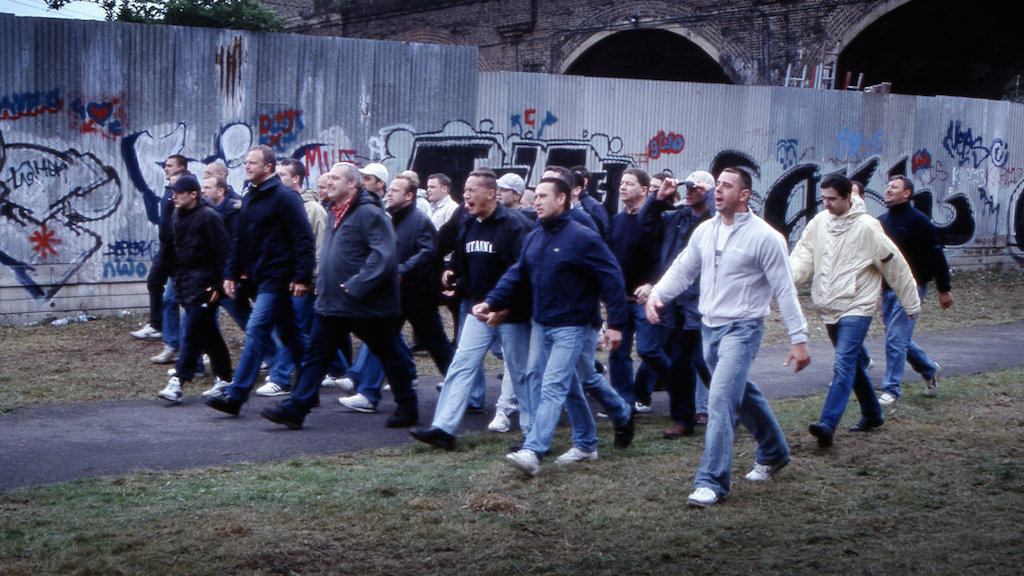
The world of football can not be separated from the world of fans. The fan of madness talks about that extreme part of the fan story – hooliganism. The story follows Tommy Johnson who compensates for the lack of adrenaline in normal life at weekends. Conflicts with opponents, receiving and giving a baton are part of the life story of Tommy and his team.
“Foolish madness” leads us into the world of violence, football hooligans and one of the greatest rivalries (cheerleaders) in the world – Chelsea and Millwala. The film is based on John King's literary template, quite convincingly portrays a cheerful everyday that is often spoken and judged by those who know very little or nothing about the fan subculture. The main role in the film is interpreted by Danny Dyer who later filmed a series of documentaries called “The Real Football Factory” about the world's greatest fan club rivalries (a recommendation to watch if you are looking for answers to fans questions and if you like “Fan Freak”) .
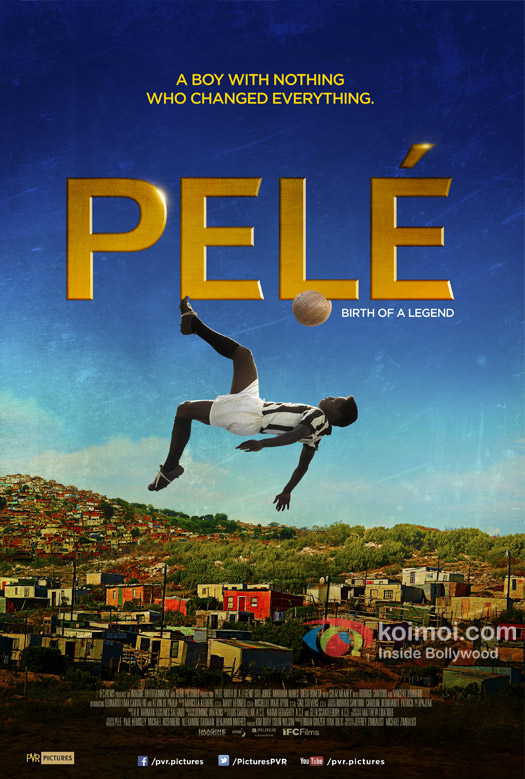
9. PELE: LEGEND IS BIRTH (PELE: Birth of a Legend) – (2016)


DIRECTORS: Jeff and Michael Zimbalist
In 1958, in the World Cup final between Brazil and Sweden, the world met Edison Arantes de Nascimenta, better known as Pele. Seventeen-year-old scored two goals in the final and Brazil became world champion (5-2 win, a game promoted by the Brazilian attack Pele-Didi-Vava). Just in the final of 1958, the film “Pele: Legend was born” by Jeff and Michael Zimbalisty (the same directors are responsible for the aforementioned documentary “Two Escobar”). Although the film is unreasonably unrealistic in showing football games, it brings us many details from the great Pelea childhood – from Brazil's poverty to the title of the best player on the planet (for many and the best of all times). Pele's story is a real movie – to achieve such a success in an environment where it is difficult (to live), poverty is indeed a great, life-giving and, thanks to Jeff and Michael Zimbali, a film story. “Pele: Legend was born” is not just a film about Peleu – it's a film that shows how important football is and is popular for the people of Brazil.

DIRECTORS: Luke Boughen, Rebekah Ferguson, Gwendolyn Oxenham, Ryan White
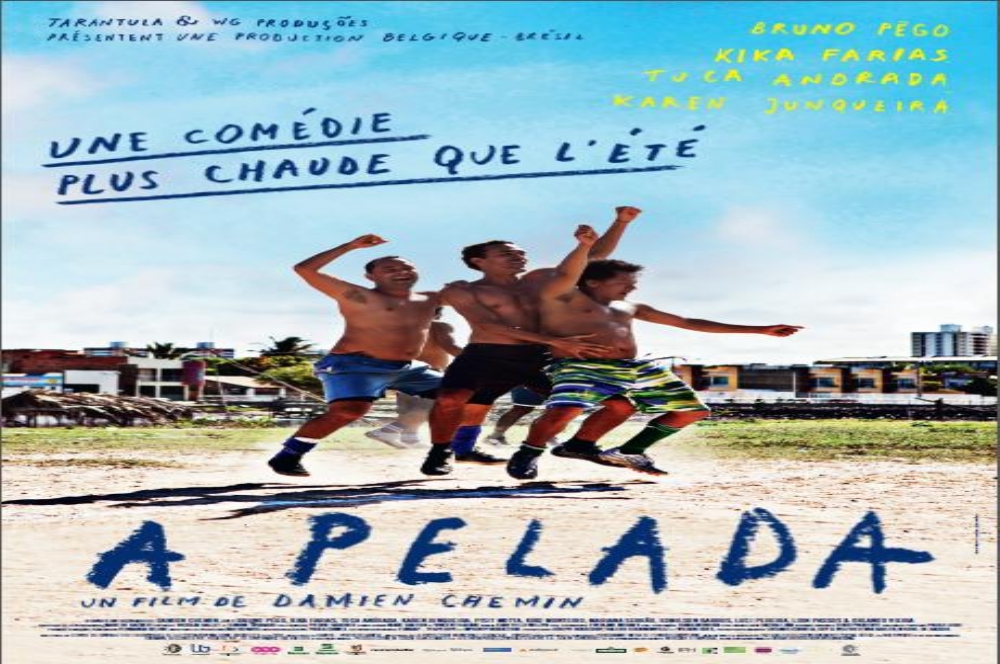
There are not a few films showing the global popularity of football, such as the 2010 Pelada documentary. Not only popularity but football as an inspiration, a game that erases borders at all levels – football language is understood throughout the world. No, “Pelada” is not followed by big championships, Champions League and similar, rich and elite competitions. Authors in different environments, countries are watching people who are footballers more than games – the reason they have found a place in society and (li) hope in places where faith is better tomorrow is hard to find. When you look at the “Pelada” you will have the desire to play several games. Like, once in two, in the company of football friends.
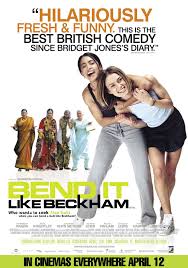
11. BAŠ KAO BECKHAM (Bend It Like Beckham) – (2002)
DIRECTOR: Gurinder Chadha

No, this is not a story about David Beckham. This is a film story about Jesminder, a girlfriend who loves Beckham, but still loves to play football. Just because of the passion for football, Jess becomes the black sheep of the family. Members of the traditional Indian family are not thrilled that the girl is running for a ball and Jess finds every way to run for a ball at London's playgrounds.
Football is the main motive of a witty, life story – a conflict between old and young, traditional parents and kids who love different things, try something their own. The story is present in all societies, often seen, but told in a different, fun, but not banal way. The main roles in the film are interpreted by Parminder Nagra, Keira Knightley and Jonathan Rhys-Myer

11 filmova o fudbalu koje morate pogledati

11 FILMOVA O NOGOMETU
Svjetsko nogometno prvenstvo je pred vratima. Mjesec dana tražit će se najbolja reprezentacija u najvažnijoj sporednoj stvari na svijetu koja mnogima nije sporedna, ali je najvažnija. Dani su to kada i oni koji nisu veliki ljubitelji nogometa, iz različitih razloga, gledaju utakmice i prate događaje u zemlji domaćinu (ove godine to je Rusija). Kao zagrijavanje za vruće nogometne dane Goodtalking Vam donosi momčad od 11 nogometnih filmova koje vrijedi pogledati. Dokumentarni i igrani, naslovi koji su povezani s velikom igrom i(li) svijetom nogometnih navijača. Neki od njih pokazuju koliko je nogometna igra važna za društvo odnosno koliko utječe na politička, socijalna i svaka druga previranja (nogometna utakmica bila je povod za kratkotrajni vojni sukob El Salvadora i Hondurasa). Filmovi na popisu preporuka su i za ljubitelje sedme umjetnosti kojima nogomet nije važan životni interes. Odabrani filmovi su:

1. BIJEG U POBJEDU (Victory) – 1981

REDATELJ: John Houston
“Bijeg u pobjedu” jedan je od najpoznatijih nogometnih filmova. Inspiriran mađarskim filmom “Dva poluvremena u paklu” Zoltana Fabrija iz 1961 godine, Houston je prikazao kako je nogomet često više od igre, sredstvo propagande. Priča filma počinje kada skupina zarobljenih savezničkih vojnika pristane na utakmicu protiv nogometne reprezentacije nacističke Njemačke. Nacistima je utakmica potrebna kako bi pokazali da su i na nogometnom terenu superiorni dok vojnici planiraju iskoristiti utakmicu za bijeg. Nijemci su favoriti, izgledaju nepobjedivi, ali i ekipa sastavljena od zatočenika ima svoje adute…
Houston je okupio vrlo zanimljivu glumačku ekipu. Max Von Sydow, Michael Caine i Sylvester Stallone (junak utakmice – Amerikanac koji baš i nema previše znanja o nogometu, ali brani ključnu loptu na kraju filma) glavni su glumački aduti. Tu nije kraj – zanimljivost i vrijednost filma su tadašnje nogometne zvijezde koje su nastupile u filmu (Bobby Moore, bivši trener Dinama Osvaldo Ardilles, Paul Van Himst, Kazmierz Deynna i za mnoge najveći nogometaš u povijesti Pele). Zabavan, za neke u dijelovima pretjerano patetičan “Bijeg u pobjedu” je obavezna filmska lektira ne samo za ljubitelje nogometa. Ako ništa drugo zbog glumačke ekipa i nekoliko izvrsno režiranih scena od kojih se najviše pamti trenutak Peleovih škarica na koje mora zapljeskati i njemački časnik Von Steiner (Max Von Sydow).

Scenu nogometne filmske majstorije možete pogledati OVDJE

2. DVA ESCOBARA (The Two Escobar) – (2010)


Redatelji: Jeff & Michael Zimbalist
O jednom Escobaru, Pablu naravno, znamo jako puno. O drugom Escobaru, kolumbijskom nogometašu Andresu, znamo puno manje, zapravo o njemu se puno više saznalo nakon njegove smrti. U dokumentarcu Jeffa i Michaela Zimbalista možemo vidjeti koliko su sudbine dva Escobara bile povezane iako se nogometaš i kralj kokaina nisu previše družili.
Početkom devedesetih godina dvadesetog stoljeća nogometni klubovi u Kolumbiji postali su igračka narko kartela. Klubovi su financirani novcem od droge – nisu gazde narko kartela bili vođeni samo sportskim motivima, izazovima. Klubovi su služili i za nezakonite poslove (npr. pranje novca). Jačanjem klubova osnažila je i nogometna reprezentacija Kolumbije koja se 1994 godine plasirala na prvenstvo održano u SAD-u. Euforični navijači u Kolumbiji očekivali su (najmanje) finale no lopta je htjela drugačija – Kolumbija ispada u prvom krugu. Jedan od tragičara postao je Andres Escobar koji je loptu skrenuo u vlastitu mrežu za pobjedu SAD-a protiv Kolumbije. Posljedice za Andresa bile su strašne, najstrašnije moguće..
“Dva Escobara” pokazuje isprepletenost politike, nogometa i kolumbijskih narko kartela u vremenu njihove najveće moći. Svaki puta kada neki nogometaš govori o pritisku publike i medija trebao bi pogledati “Dva Escobara”. Pritisak pod kojim su igrali nogometaši iz Kolumbije bio je…. Najbolje da se sami uvjerite.

3. PROKLETI UNITED (The Damned United) – (2009)


Redatelj: Tom Hooper
“Nottingham Forest” jedinstvena je priča nogometnog svijeta. Klub u kojem su, između ostalih, igrali Peter Shilton, Roy Keane i Stuart Pierce više je puta bio europski nego engleski prvak. Godine 1978 “Forest” je postao prvak Engleske, godinu dana kasnije i Europe. Branitelji titula uspjeli su obraniti europski, ali ne i engleski vrh. Danas je klub daleko od dana kada je Nottingham bio središte nogometne Europe – navijačima kluba kao i svim ljubiteljima nogometa ostaju uspomene poput onih zabilježenih u filmu “Prokleti United”. Riječ je o biografskoj priči o Brianu Cloughu tvorcu čuda iz Nottinghama prema mnogim anketama i dalje najboljem treneru u povijesti Engleske. Film opisuje Cloughovu trenersku karijeru, uspon od četvrte lige od prvog velikog neuspjeha – kratke epizode u “Leeds Unitedu” (to je prokleti united iz naslova) te preuzimanje “Nottingham Foresta” na čijoj je klupi ostao nešto kraće nego Arsene Wenger u “Arsenal” (od 1977 do 1992). Iako je filmska priča sakrila dijelove Cloughove biografije (alkoholizam), “Prokleti United” vrlo dobro prikazuje odnose unutar nogometnog kluba kao i prikaz engleskog nogometa. Film podjednako dobro funkcionira kao biografija Briana Clougha i priča o nogometu. Posebno je zanimljiv odnos između McClougha i njegovog pomoćnika zaslužnog za uspjehe “Forresta”
4. ZATVORSKI KRUG (Mean Machine) – (2001)


REDATELJ: Barry Skolnick
Senzacionalna pobjeda “Wimbledona” nad “Liverpoolom” 1988 godine u finalu FA kupa bio je vrhunac sportske priče s filmskim elementima. “Wimbledon” tog vremena okupio je ludu bandu – skupinu nogometaša koji su nedostatak talenta nadoknađivali agresivnošću, borbenošću i, često, grubom, prljavom igrom (o ponašanju tadašnjih prvotimaca Wimbledona van terena mogla bi se knjiga napisati). Najpoznatiji članovi Lude bande (takav su nadimak dobili od tamošnjih medija) bili su Dennis Wise, John Fashanu, Dave Beasant, Lawrie Sanchez i gospodin koji je napravio respektabilnu glumačku karijeru. Riječ je o Vinnieju Jonesu (“Nestali za 60 sekundi”, “Lopovi, ubojice i dvije nabijene puške” koji je bio idealan izbor za ulogu u filmu “Mean Machine”. Priča filma nije originalna – radnja je kombinacija spomenutog “Bijega u pobjedu” i “Zatvorskog kruga” (The Longest Yard) iz 1974 godine s Burt Reynoldsom u glavnoj ulozi. Jonnes tumači Dannya Meehana, nogometnu zvijezdu na odsluženju zatvorske kazne. Meehan se sukobio s policijom i mora odležati kaznu. Meehonova zatvorska sudbina komplicira se u trenutku kada se saznaje o prijateljskoj nogometnoj utakmici između čuvara i zatvorenika..
“Mean Machine” ispunjen živopisnim likovima (u filmu nastupa i Jason Statham), humorom i urnebesnim dijalozima. Nogometni film koji vrijedi pogledati.
5. MESSI – (2014)

REDATELJ: Alex de la Iglesia
Dokumentarni film španjolskog redatelja Alexa de la Iglesie (“Dan zvijeri”, “Perdita Durango”) priča je o jednom od najboljih (za mnoge i najboljem) nogometašu u povijesti igre. Iglesia je prikazao Messijevu životnu priču od početaka, dolaska malog dječaka u Barcelonu (koja je pomogla u rješavanju Mesijevih zdravstvenih problema) do zvjezdanih trenutaka, osvajanja klupskih trofeja, rušenja različitih rekorda. O Messiju govore bivši i sadašnji suigrači (Pique, Iniesta, Mascherano) te velikani nogometne igre (Johann Cruyff, Cesar Luis Menotti – zanimljive su scene razgovora o Messiju u restoranu). Iako je devedeset minuta premalo za sve Messijeve domete (film je snimljen 2014 – od tada je Messi poboljšao statistiku i osvojio nove trofeje), dokumentarac je zanimljiva priča o velikom igra. Iako je u dresu Barcelone osvojio sve i to nekoliko puta Messi u Argentini nije dostigao slavu Diega Armanda Maradone. Osvojio je Messi olimpijsko zlato, bio je drugi na svijetu no Maradonu će dostići samo ako Argentina u njegovoj eri postane prvak svijeta. Prvenstvo u Rusiji možda je i posljednja prilika….
6. ČUDO IZ BERNA (Das Wunder von Bern) – (2003)

REDATELJ: Sonke Wortmann
“Nogomet je igra u kojoj 22 igrača trče za loptom 90 minuta i na kraju uvijek pobjeđuju Nijemci.” – riječi su engleskog reprezentativca Garya Linekera izranjavanog redovitim pobjedama njemačke nogometne reprezentacije nad Engleskom. Jedna od najvećih pobjeda njemačke nogometne reprezentacije ujedno i jedno od najvećih iznenađenja u nogometnoj povijesti dogodilo se 1954 godine na prvenstvu u Švicarskoj. Svjetskim je nogometom tada vladala Laka konjica – zlatna generacija mađarskog nogometa predvođena Ferencom Puskasom. U prvoj fazi prvenstva Mađari su pobijedili Njemačku nevjerojatnim rezultatom; utakmica je završila 8:3. Reprezentacije su se ponovo sastale u finalu, Mađarska je povela 2-0 i stala. Njemačka je okrenula rezultat i sa 3:2 osvojila prvenstvo. Iznenađenje je bilo toliko da se i danas vode rasprave o, navodnom, dopingu igrača Njemačke – jesu li članovi Elfa uzimali nedopuštena sredstva ostaje pitanje za povijest, ali čudo se dogodilo. Film tematizira nogometne događaje iz Berna, ali istovremeno prikazuje i poslijeratnu Njemačku te koliko je jedno od najvećih iznenađenja u nogometnoj povijesti utjecalo na raspoloženje nacije.
7. SPORTSKA GROZNICA (Fever Pitch) – (1997)


REDATELJ: David Evans
“Sportska groznica” romantična je komedija temeljena na književnom predlošku Nicka Hornbya. Radnja filma upoznaje nas s Paulom Asworthom (Colin Firth). Paul je pravi navijač – od malih nogu navija za “Arsenal” (onaj Wengerov iz Londona) ljubav prema klubu naslijedio je od oca. Godine prolaze, Paul je profesor engleskog jezika, ali ljubav prema klubu ostala je ista. No pojavila se i nova ljubav – Sarah, kolegica je i Paulova bolja polovica koju Arsenal i nogomet uopće ne zanima. Paul mora odlučiti koja ljubav važnija i jača.
“Sportska groznica” izvrsno opisuje ljubavne jade navijača, ljubitelja nogometa kada je suočen s novim životnim obavezama. Priča o ljubavi, nogometu, odrastanju i trenucima kada nogomet prestaje biti najvažnija stvar na svijetu, ali ostaje najvažnija sporedna stvar na tom istom svijetu.
8. NAVIJAČKO LUDILO (Football Factory) – (2004)


REDATELJ: Nick Love
Svijet nogometa nemoguće je odvojiti od svijeta navijača. “Navijačko ludilo” priča je o onom ekstremnom dijelu navijačke priča – huliganizmu. Priča prati Tommya Johnsona koji nedostatak adrenalina u normalnom životu nadoknađuje vikendima. Sukobi s protivničkim navijačima, primanje i davanje batina dio su životne priče Tommya i njegove ekipe.
“Navijačko ludilo” vodi nas u svijet nasilja, nogometnih huligana i jednog od najvećih rivalstava (navijačkih) na svijetu – Chelseaja i Millwala. Film je temeljen na književnom predlošku Johna Kinga, prilično uvjerljivo prikazuje navijačku svakodnevicu o kojoj često govore i sude oni koji o navijačkoj subkulturi znaju vrlo malo ili ništa. Glavnu ulogu u filmu tumači Danny Dyer koji je kasnije snimio seriju dokumentaraca pod imenom “The Real Football Factory” o najvećim navijačko-klupskim rivalstvima na svijetu (preporuka za gledanje ako tražite odgovore na pitanja o navijačima i ako Vam se sviđa “Navijačko ludilo”).
9. PELE: LEGENDA JE ROĐENA (PELE: Birth of a Legend) – (2016)


REDATELJI: Jeff i Michael Zimbalist
Godine 1958 u finalu Svjetskog prvenstva između Brazila i Švedske svijet je upoznao Edisona Arantesa de Nascimenta poznatijeg kao Pele. Sedamnaestogodišnjak je u finalu zabio dva gola i Brazil je postao svjetski prvak (pobjeda 5-2, utakmica koja je promovirala brazilski napad Pele-Didi-Vava). Upravo finalom 1958 počinje film “Pele: Legenda je rođena” redatelja Jeffa i Michaela Zimbalistija (isti redatelji su odgovorni za spomenuti dokumentarac “Dva Escobara”). Iako je film u nekim trenucima pretjerano nerealan u prikazuj nogometne igre donosi nam mnoge detalje iz djetinjstva velikog Pelea – od siromaštva Brazila do titule najboljeg igrača na planeti (za mnoge i najboljeg svih vremena). Peleova priča je prava filmska – postići takav uspjeh u okruženju u kojem je teško (pre)živjeti, siromaštvu doista je velika, životna i, zahvaljujući Jeffu i Michaelu Zimbalistiju, filmska priča. “Pele: Legenda je rođena” nije samo film o Peleu – to je film koji pokazuje koliko je nogomet važan i popularan stanovnicima Brazila.
10. PELADA – (2010)


REDATELJI: Luke Boughen, Rebekah Ferguson, Gwendolyn Oxenham, Ryan White
Malo je filmova koji prikazuju globalnu popularnost nogometa kao što je dokumentarac “Pelada” iz 2010 filmova. Ne samo popularnost nego i nogometnu igru kao inspiraciju, igru koja briše granice na svim razinama – nogometni jezik razumije se u čitavom svijetu. Ne, “Pelada” ne prati velika prvenstva, Lige prvaka i slična, bogata i elitna natjecanja. Autori u različitim sredinama, državama prate ljude kojima je nogomet više od igre – razlog zbog kojeg su pronašli mjesto u društvu i(li) nadu na mjestima gdje je vjeru u bolje sutra teško pronaći. Kada pogledate “Peladu” dobit ćete želju da odigrate nekoliko utakmica. Onako, kao nekada na dva mala, u društvu nogometnih prijatelja.
11. BAŠ KAO BECKHAM (Bend It Like Beckham) – (2002)
REDATELJICA: Gurinder Chadha


Ne, ovo nije priča o Davidu Beckhamu. Ovo je filmska priča o Jesminder, djevojci koja voli Beckhama, ali još više voli igrati nogomet. Upravo zbog strasti prema nogometu Jess postaje crna ovca obitelji. Članovi tradicionalne indijske obitelji nisu oduševljeni da djevojčica trči za loptom i Jess pronalazi svaki način kako bi trčala za loptom na igralištima Londona….
Nogomet je glavni motiv duhovite, životne priče – sukobu starih i mladih, tradicionalnih roditelja i klinaca koji vole drugačije stvari, probati nešto svoje. Priča prisutna u svim društvima, često viđena, ali ispričana na drugačiji, zabavan, ali ne i banalan način. Glavne uloge u filmu tumače Parminder Nagra, Keira Knightley i Jonathan Rhys- Myers.

SPORTSKE I NAVIJAČKE FILMOVE MOŽETE GLEDATI NA www.BALKAN-STREAMS.com

Navijac istetovirao dres na telu

Ovaj Momak Je Tetovirao Dres Na Tijelu
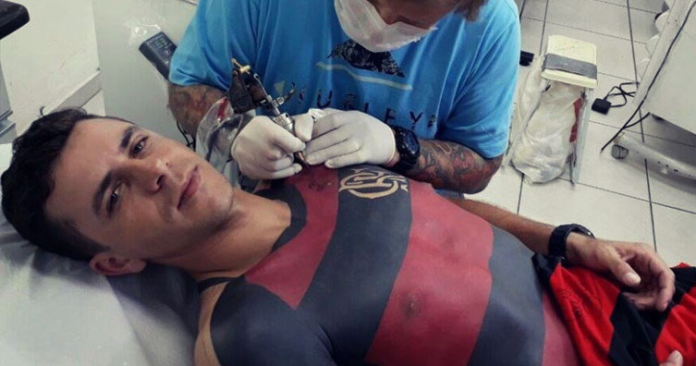
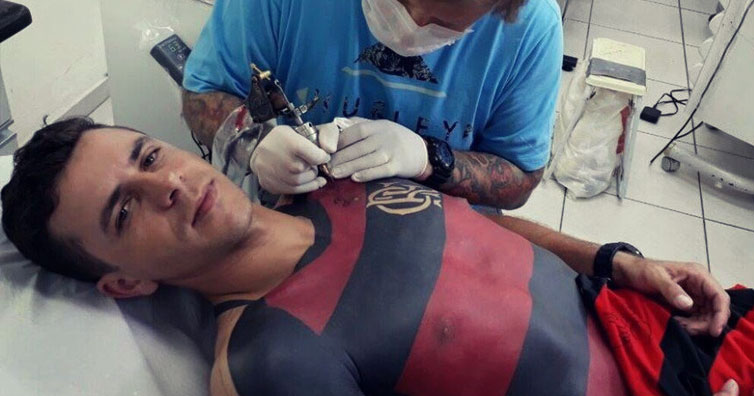
Navijači širom svijeta poznati su kao die-hards. Jedan brazilski navijač Flamenga uzeo je ljubav prema svom timu na nevjerovatnu novu razinu. Jose Mauricio dos Anjos postala je nešto manje slavna osoba u gradu Rio de Janeiru. 33-godišnji muž i otac tetovirali su cijeli Flamengo dres na torzo.
Kada je posvećena obožavateljica razgovarala s Vice Brazilom, rekao je da je izvorno želio komad koji pokriva samo ramena i prsima zbog svog proračuna. Međutim, bio je umjetnik tetovaža koji ga je uvjerio da ide sve van. Umjetnik je bio spreman napraviti cijeli komad za samo 230 dolara samo da bi dobio ekspoziciju. Tetovaža uključuje gotovo sve aspekte timskog dresa od loga sve do svake guste crne i crvene pruge. Jedini dio koji nedostaje iz umjetničkog djela je sponzorski kit.


Na stražnjoj strani tetovaže je dres sa brojem 10 za bivšeg Flamengo igrača, Zico-a. Dos Anjos je dobio susret s ikonastim nogometašem koji smatra da je njegov idol. Susret je čak rezultirao još jednim dodatkom tetovaži. “Bio je šokiran, i dotaknuo ga kako bi bio siguran da nije oslikan. Pitao sam ga da potpisuje moju kožu i onda sam dobio svoj potpis tetoviranim “, rekao je Vice Brazil.
Dos Anjosova djeca su u početku bili zbunjeni zbog onoga što se događalo, vidjevši njihovog oca umotanog u zaštitnu plastiku. Njegovi trogodišnji blizanci će pitati je li bio ozlijeđen, dovodeći ga da pokušava objasniti cijeli proces tetoviranja. “Zato što sam uvijek bez košulje oko njih, oni više ne smatraju čudnim”, rekao je.
“Vjeruj mi, nikada nisam osjećao nikakvo žaljenje”, rekao je dos Anjos o svojoj vrhunskoj tjelesnoj umjetnosti. Iako se stalno pitao hoće li jedan dan dobiti cjelokupnu uniformu na njegovo tijelo, kaže kako će njegove buduće tetovaže biti mnogo manje.

Utisci o derbiju izmedju Seltika i Rendzersa

U poslednjoj deceniji keltska kultura postala je popularna u celoj Evropi. Tradicionalna irska muzika i ples omiljeni su u mnogim zemljama. Najvecu zaslugu što je to i kod nas tako treba pripisati beogradskom bendu Orthodox Celts, koji je za svojih desetak godina postojanja stekao pravu armiju fanova. Prosto je neverovatno koliko se samo mladih ljudi ”navuklo” na taj irski fazon. Koncerti srpskih Kelta proticu u sjajnoj atmosferi, a publika kao po direktivi obavezno dolazi obucena u Celticov dres, ili neki drugi zeleni odevni predmet. Ipak sumnjamo da je medu fanovima Orthodox Celtsa mnogo onih koji zaista prate škotski fudbal i rezultate Celtica. Sa druge starne i Rangers ima svoje simpatizere u Srbiji, a najbolji primer je registrovan klub navijaca Glasgow Rangersa ”Serbian Loyal RSC” (www.serbianloyalrsc.com) sa sedištem u Novom Sadu ciji je osnivac Marko, koji je imao tu srecu da 7.marta prisustvuje ”The Old Firm” derbiju.


”Nekoliko puta sam pokušavao da dodem do karte za utakmicu Rangers-Celtic, ali bezuspešno. Nikada pre nisam bio u Škotskoj, pošto je samo putovanje daleko i skupo, pa sam cekao da odem prvom prilikom kada uspem da nabavim kartu za derbi sa Celticom. Rangerse sam gledao nekoliko puta u evropskim kupovima. Poslednji put je to bilo u novembru prošle godine u mecu lige šampiona na gostovanju u Štutgartu. Imam mnoge prijatelje medu Rangersovim navijacima širom ostrva, ali i oni teškom mukom uspevaju da dodu do karata za derbi. Posebno je teško dobiti ulaznicu za gosotvanje na Celtic Parku, pošto prvenstvo pri kupovini imaju vlasnici pretplatnih karata kojih je skoro cetrdeset hiljada, pa potom clanovi kluba, pa tek onda ostali navijaci.”
* Kako ti je pošlo za rukom da se dokopaš dragocenog papirica ovaj put?
”Obratio sam se zvanicnim dopisom fudbalskom klubu Rangers. Pre toga sam izvadio vizu, pošto sam svakako rešio da idem. Bojao sam se da, u slucaju da dobijem kartu, necu imati vremena za vadenje vize, pa sam se osigurao na vreme. Kada mi je mejlom stigla potvrda iz kluba da je moj zahtev prihvacen, nisam mogao da verujem. Bio sam presretan. Cetvorodnevni boravak u Britaniji isplanirao sam u istom momentu. Beograd-London-Liverpool-Glasgow i obrnuto. Malo toga sam uspeo da vidim, ali sam gledao ”The Old Firm” derbi i stigao da posetim stadion Rangersa.”
* Kakav je osecaj prisustvovati utakmici Celtic-Rangers?
”Bez obzira što smo izgubili utakmicu, celo putovanje i dogadaj pamticu za ceo život. To se jednostavno ne može opisati recima i fotografijama. Ni kamera nije dovoljno. To stvarno treba doživeti.


*Može li se atmosfera sa stadiona porediti sa našim vecitim derbijem?
”Mislim da takav rivalitet ne postoji nigde u svetu. Stadion je bio krcat. Vecinu su naravno cinili domacini, navijaci Celtica. Bilo ih je više od pedeset hiljada. Rangers je dobio svega sedam hiljada karata za ”Southwest Stand” i ”Lisbon Lions” tribinu, iako je imao pravo na dvadeset posto od kapaciteta stadiona, koliko se obicno daje gostujucim navijacima u kup utakmicama. Ipak moram da napomenem da su Rangersovi navijaci ocitali Keltima lekciju iz navijanja. I pored poraza na završetku utakmice stadionom se orilo: ”I am Rangers til I die!” Na ostrvu uglavnom bolju atmosferu prave gostujuci navijaci.
*Da li se Rangers i Celtic stvarno toliko mrze kao što price kažu?
”Mržnja izmedu navijaca dva kluba je veca nego što sam uopšte imao predstavu. Iako je stadion Celtica izlepljen uputstvima i pravilima ponašanja, u kojima se izricito zabranjuje pevanje i skandiranje uvredljivih parola i onih koji imaju versku sadržinu, devedest posto pesama navijaca Rangersa bile su baš takve, mada ni Kelti tu ne zaostaju puno.”
*Da li je bilo incidenata, i kako policija reaguje na sve te pesme i prozivke?
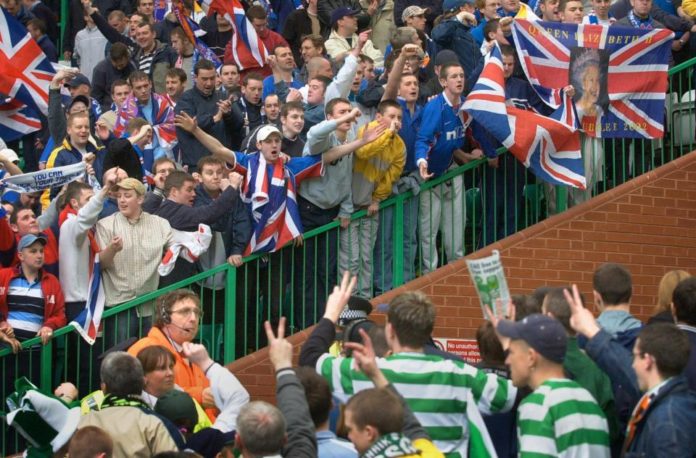
”Do tuce na stadionu gotovo da ne može da dode zbog velikog prisustva redara i policije. Ceo dan, na svakom cošku u gradu prisutne su policijske patrole. Policija je organizovana do savršenstva. Helikopteri kruže non stop, tako da do tuce može eventualno da dode negde daleko od stadiona. Navijaci Rangersa tacno znaju kojim putem mogu da se krecu kada se utakmica igra na stadionu Celtica, i obrnuto. Protivnicke navijace smo prvi put videli na stadionu. Iznenadio sam se ipak da policija nije reagovala ni na jednu provokativnu pesmu, a jedini put su intervenisali kada su jednom navijacu oduzeli zastavu UVF-a (Ulster Volonteer Force – blaži protestantski odgovor na irsku teroristicku organizaciju IRA). Rangersov sektor bio je ukrašen svim mogucim ”zabranjenim” zastavama. Svi nose ”britanke” ili zastave Ulstera, odnosno Severne Irske, dok je suprotna strana ukrašena iskljucivo irskim trobojkama. Navijaci Celtica, koji su bili do nas u jednom momentu okrenuli su se ka nama i odgovorili na sve provokacije tako što su se u tišini prekrstili. To je bio signal za Unioniste da odlepe i pocnu da lome stolice. Policija ni tada nije reagovala. Njima je bitno da ne dode do fizickog obracuna i u tome su vrlo uspešni.”


*Da li je u poslednje vreme bilo nereda na utakmicama glasgowskih rivala?
Poslednji ozbiljniji incident na samom stadionu dogodio se pre pet godina kad je Rangers baš u derbiju proslavljao titulu. Utakmica je obilovala neredima. Sudija Hugh Douglas pogoden je tvrdim predmetom u glavu, a tokom svih devedeset minuta policija je hapsila izgrednike. Mnogo ucestaliji ali i brutalniji incidenti dešavaju se nevezano za dan kada se igra derbi. U maju 1995. godine maloletni navijac Celtica vracao se sa utakmice svoga tima protiv Partick Thistlea. Napadnut je dok je prolazio kroz Bridgeton, kraj nedaleko od Celticovog stadiona, ali poznat kao jako uporište navijaca Rangersa. Mladic je preminuo od uboda nožem, a policija je uhapsila ubicu, istaknutog aktivistu protestanskog UVF-a. U martu 1999. godine još jedan navijac Celtica izgubio je život, pošto su mu navijaci Rangersa prerezali grkljan. Momak nije uspeo da nabavi kartu za finale kupa Celtic-Rangers, pa je odlucio da utakmicu odgleda u pabu. Kada je krenuo kuci dvojica Unionista su ga napali i isekli nožem. Umro je na putu za bolnicu pevajuci republikansku himnu ”Fields Of Athenry”. Poslednje ubistvo desilo se pre šest meseci kada se jedan navijac Rangersa vracao kuci preko East Enda, gde je napadnut i izboden nožem na smrt.
*Iz tvoje price zakljucujemo da u Galsgowu postoje kvartovi kroz koje je vrlo opasno prolaziti ako si odeven u klupske boje?
”Park Head je veliki kraj u kojem se nalazi Celticov stadion, ali na svega pet minuta hoda od njega je Duke Street, u kojoj su smešteni lokali i pabovi. Izmedu ostalih tu su Calvay club, Bristol pub i Louden tavern (zvanicno jedan od najboljih klubova u Britaniji) pored kojih ne smeš ni da prodeš ako imaš nešto zeleno na sebi. Celticovi navijaci izbegavaju Duke Street kako znaju i umeju. Nešto slicno je u Belfastu Falls Road, koji se ne preporucuje za šetnju ako si protestant. U Glasgowu postoji i cela ulica sa Celticovim pabovima, ali je ona u samom centru grada, mnogo je prometnija i nije toliko opasna kao Duke Street, koja se nalazi u mracnom i ozloglašenom kvartu.
*Ko ima više navijaca Celtic ili Rangers?
”To je teško odrediti. Celticov stadion je veci za deset hiljada, samim tim oni imaju i deset hiljada pretplatnika više. Ni situacija u Glasgowu više nije kao krajem devetnaestog veka kada su katolici bili u manjini. Tada su se oni naselili u istocni kraj grada, koji je ruku na srce pun neradnika i toliko je prljav i oronuo da izgleda kao grad za sebe. Glasgow je nekada imao preko milion stanovnika, a danas ih je oko sedamsto hiljada. Protestanata je nešto više. Zamislite recimo da u Zagrebu živi cetristo hiljada Hrvata i trista hiljada Srba. U Glasgowu su deca podeljena od momenta kada krecu u školu, jer su katolici još pre osamdeset godina izdejstvovali da se školuju ikljucivo u katolickim školama. Mislim da Celtic ima više navijaca u Evropi jer njih simpatišu svi katolici. U poslednjih nekoliko godina imaju brojnu podršku i u Skandinaviji zbog Švedanina Larsona koji im je najbolji igrac. Ipak pred utakmicu lige šampiona u Minhenu protiv Bayerna Celtic je trebovao deset hiljada karata, od cega je vratio skoro pola. Slicno se nikada ne bi desilo Rangersu, za cija se evropska gostovanja uvek može prodati bar duplo više karata nego što im sleduje. Rangers takode ima klubove navijaca po celom svetu, ali su najorganizovaniji i najbrojniji oni iz Nemacke i Holandije. Znam da i u Srbiji Celtic ima navijace, ali nisam siguran koliko njih baš zanima fudbal. Mislim da su to vecinom samo fanovi Orthodox Celtsa, koji iz fazona nose Celticove šalove i bedževe teroristicke organizacije IRA. Verovatno nemaju pojam o cemu je rec. Nisam baš siguran koliko ih je bilo na utakmici koju je Celtic igrao letos u Budimpešti. Takode bih dodao da se na Celtic lože i hrvatski navijaci, posebno Bad Blue Boys.”
Utakmicu koju je naš sagovornik gledao dobio je Celtic 1-0 golom Larssona i tako se plasirao u polufinale škotskog kupa.


Navijaci Celtica su dakle uglavnom katolici ili ”Tims” kako ih podrugljivo zovu. Rangers su ”Prods” -protestanti, Unionisti, lojalisti… Što je interesantno ni jedni ni drugi navijaci nisu huligani i retko izazivaju incidente osim u medusobnim duelima, ali se oni zasnivaju iskljucivo na verskoj osnovi. ”Celtic nema Casulas (huligansku) ekipu. Svi su obuceni u prugaste zeleno bele dresove i trenerke i retko izazivaju nerede. Rangers je vec druga prica, ali i oni dosta zaostaju za huliganima Aberdeena, Motherwella ili Heartsa. Ipak Rangers imaju Casualse, odevene po uzoru na južne komšije. Zovu se Inter City Firm (poput West Hamovih, mada su jedni pokušali da skracenicu ICF proguraju kao Ibrox Casual Firm). Dosta njih nose ”Hackett” odecu i to prvenstevno kolekciju sa St. George krstom (engleska zastava) na grudima.” dodaje naš sagovornik.

Celticovi navijaci svake godine polovinom marta slave St. Patricka, dok Rangersovi proslavljaju 12. jul 1690, dan kada je William, Prince of Orange (holandskog porekla) u bici na reci Bojn potukao kralja James Stuarta i njegovu tiransku vlast. Tada je uspostavljena monarhija i parlamentarna vlada. Svakog 12. jula u cast ”slavne revolucije” organizuju se festivali i tradicionalni marševi oranžista (The Orange Order je irsko protestantsko društvo osnovano 1795.) po gradovima Velike Britanije kao i u mnogim mestima u Evropi.

”Pesme navijaca Celtica su uglavnom irski tradicionali i tek po neka peva o uspesima kluba (osvajanju evropske titule 1967.) ili igracima. Skandira se Celtic, Celtic, pozdravlja se Henrick Larsson, a cesto ceo stadion zapeva i prisvojenu Liverpoolovu himnu ”You'll Never Walk Alone” ili klupsku ”Heil, Heil The Celts Are Here!”. Kada Kelti skandiraju ”f**k the Queen!”, sa suprotne strane stiže odgovor ” f**k the Pope!” Rangersove pesme su uglavnom ”sectarian” ( da ne kažemo sektaške kako bi bilo u bukvalnom prevodu, vec pre religiozne ali ”bolesne” sadržine i pune mržnje s’ osvrtom na prošlost), i osim u par navrata kada se skandira klubu sve ostalo se svodi na prozivanje katolika.”Your moms are stealers, your dads are dealers!” (vaše majke su lopovi, a vaši ocevi dileri) pevalo je svih sedam hiljada navijaca Rangersa aludirajuci pri tom na prljave poslove kojima su Irci tradicionalno vicni. U nekoliko navrata grmelo je i ”Hello, Hello We Are Billy Boys!” (Billy Fullerton je bio lokalni mangup, sitni krimos, protestant i naravno navijac Rangersa, cija je banda ”Razor Gang” žarila i palila Glasgowom tokom dvadesetih godina prošlog veka, mada se na pojedinim mestima srece i verzija po kojoj je Billy asocijacija na nadimak princa Williama). Pesme ”The Sash” (platnena lenta koju oranžisti nose tokom marševa preko ramena) i ”Derry's Walls” se pevaju u celosti sa nekoliko strofa. Iz ove druge je cuveni slogan ”No Surrender” (…and the cry was no surrender; surrender or yell die, die, die; with heart and hand and sword and shield; we'll guard old Derry's walls…). Jedni klicu IRA-i dok ih drugi pljuju i pevaju o UDF-u…sve u svemu preterano i teško razumljivo.” završava svoju pricu Marko.

Celtic vs Rangers derby

R A N G E R S – C E L T I C

Rangers F.C.
founded in 1873
stadium: Ibrox Stadium with a capacity of 50,444 seats
club color: royal blue
the most successful club in the world by the number of national champions won – 50 times the champions of Scotland!
European trophy: 1972. winners of the European Cup Winners Cup.
record-breaking visit: 118,567 spectators in the derby against Celtic on January 2, 1939

Celtic F.C.
founded in 1888
Stadium: Celtic Park with a capacity of 60,355 seats
club color: green and white
title: 39 times Scotland champion (counting this season)
European trophy: 1967 European champions (Celtic was the first British club to win a European championship)
record-breaking visit: 92,000 spectators against Rangers on January 1, 1938

There are a few cities in the world that can boast a football derby. When we say the major derby here, we primarily refer to the traditional meetings of two trophy teams from the same city. With us, this is a match between Partizan and Zvezda. When playing a major derby, on that day, all friendships are forgotten, you are uncomfortable with your parents, a girl, a woman, and the victory against the most disadvantaged rival to most fans is even more important than winning a title. Often, the unsuccessful season is saved by a victory against the city rivals. That day, your stomach is squeezed, your arms swell, and you're nervous than usual. You do not have anything to eat, it's not your fault! The worst is when the game starts later (five, six in the afternoon), and you are awakened by nervousness, if you could sleep at all earlier. So then turn the movie in the head of the derby already played or did you just dream it? And then what to do all day long? Of course nothing! You bite nails, and you watch every five minutes per hour. This game, regardless of its importance, is always the most important. You do not need titles, cups, or participation in European competitions, just to win the big rival. However, Belgrade's eternal derby also has that emperor almost always directly decide on the champion! In Spain, for example, the tension rises when Real and Bars meet, but in the rivals of the Madrid rivals (Real Atletico) and Barcelona (Barcelona-Espanyol). In England, derby matches in London (Arsenal-Tottenham, Millwall-West Ham …), Manchester (United-City), Liverpool (Liverpool-Everton) or Birmingham (Villa-Birmingham) are always simple matches, but the match between Manchester United and Liverpool (in the last couple of seasons of Manchester and Arsenal) traditionally clinched two of the best and most frugal clubs that often directly decided on the championship.
Italy can boast some of the most interesting city derby. First of all, we are thinking of meetings between Rome and Lazio, as well as Inter and Milan. In addition to these two duels, major derbies are played in Torino, respectively, but they are matches that, for example, Juventus meet with Inter, Milan or Roma, however much more interesting (from a football, not a corner) and result more important than the matches against the rivals Turin which is currently second-class.
South of us, Athens has mobilized all available police and military forces so that the match between Olympiakos and Panathenaikos runs without incidents (which is almost impossible), and a similar situation exists in Istanbul when meeting Fenerbahce, Galatasaray and Besiktas.

One duel of eternal city rivals still bounces from others. In it, the tension is much greater than anywhere else, and it is almost always decided directly by the champion or the conqueror. This match is not only a clash between two teams and two armies of fans, but it is about rivalry with a much deeper background, two religions collide. Of course, there are two of the most successful Scottish teams in Celtic and Rangers.
What about Scottish football? Average or even below the European average! Football is one of the few things of life that are taking place in Scotland independently of the English. While the English are considered to be the founders of modern football, Scots are those who have contributed much to his training, especially at an early stage. The Scottish Football Association was founded in 1873, and the next is the first ever competition. Only a few teams from that time exist today, while many have disappeared after only a few years (like Third Larnaca and Vala Of Leven). The professional league began to play in the north of Great Britain in 1893 and the first title, in front of the nose of the rivals Rangers, was won by Celtic. Since then, the big duo from Glasgow has won over 85 percent of the title. Other Scottish clubs almost have nothing to look for in the joint league with Celtic and Rangers, so on several occasions they have been nominated for their transfer to the Premier League of England. Both clubs have greatly grown their competition in the league, and they are far from the others, both in terms of the number of fans and organization, finances and playgroups. It should be a real miracle so that a third team seriously interferes in the fight for the title, or at least divide the rivals at the top of the table.

Throughout the last century, only fifteen times the champion of Scotland was not one of the two Glasgow teams, and last time another club was able to win the title in 1985 when the champion was Aberdeen in the lead with Alex Ferguson. For now, however, everything is left only on the proposals and wishes of the small teams and the big sponsors, so that since moving away from the rivals in England, there will almost certainly be nothing.
When the founders of Rangers showed no interest in religion, they did not emphasize that they were Protestant clubs. Fifteen years later, with the founding of Celtic, Glasgow split into protestants and Catholics, at least on Rangers and Celtic. The immigrants from Ireland, the Catholics who were then a minority in the city, gathered around their Irish tricolor, founded their football club and gave it their green and white colors. The connection between the club, the navy and the Catholic Church was very strong from the start.
Since then, an unwritten rule has been created in the Protestant Ranger that no Catholic can wear a blue jersey, nor be employed in any function at the club. Soon the derby of the games in Glasgow became known as “The Old Firm”, which in a literal translation would mean an old one. These are games that have been played each season since the formation of both teams, lately, due to the system of the competition at least four times, there is a big deal in the game, and the stadiums are always sold out in advance.
Long before the appearance of the first hooligans in the island's old stadiums, the “The Old Firm” march filled with disorder. Going to the game for the fans of both teams, is naughty with going to a religious war. The whole town was divided at that time. The eastern region was settled by Catholics, Celtic fans, while the rest of Glasgow was made by Protestants. In 1921, during a derby, a wooden stand was broken. Twenty-six people were injured, and over a hundred of them were injured. Fifty years later, the biggest tragedy in Scottish stadiums took place. At the end of the game Celtic-Rangers, under the pressure of the masses, the stairs collapsed. Sixty-six fans lost their lives, and almost forty of them got injuries. During the derby in 1975, two fans were killed and nine others stabbed with knives. At one point, doctors could barely pat a hand that was cut in a few places by an ax. Another thirty-five fans of both teams were held on that day in a hospital treatment. After a series of incidents everything culminated in the derby in the Cup final in 1980 when the game was barely end up due to the general squad on the stands. Despite the great pressure of the football federation, Rangers still did not think that he had brought a Catholic player into his ranks, while Celtic, in which there had always been protesters, (in Celtic was played Protestant Bertie Peathingy, who was even allegedly an extreme member of the order Protestant oranges) refused to remove the flag of Ireland from the stadium.
Part II:

In 1989, the Rangers coach, legendary Graeme Souness, gave a shock statement to the press conference that he was exclusively interested in the success of the team and the quality of the football players, not their religious affiliation. On the same day, he was promoted by a new amplification, Catholic Maurice Johnston, a former hero from the Celtic Park. To the extent that the public supported him and called him a peacemaker, the most stubborn Ranger's fans were crashing on him, who did not overlook the fact that the hated Mo Johnston, who even crossed them (the protesters never baptized) while leaving the court when In a derby in 1986, the referee showed him a red card, wear a blue jersey. Many fans at Ibrox simply did not count Mo's goals, while the most extreme even silenced those who rejoiced in his fate. A few years later, English reporter Mark Hateley also did not come to welcome Rangers fans, as they themselves were not sure if he was Catholic or Protestant. Hateley was actually married to a Catholic who was inconceivable to the fans. A similar fate was experienced by Trevor Francis, who was reported to have enrolled his children at the Catholic school, and the whistleblower from the stands was welcomed by Protestant Mark Falco as he had the custom of being baptized.
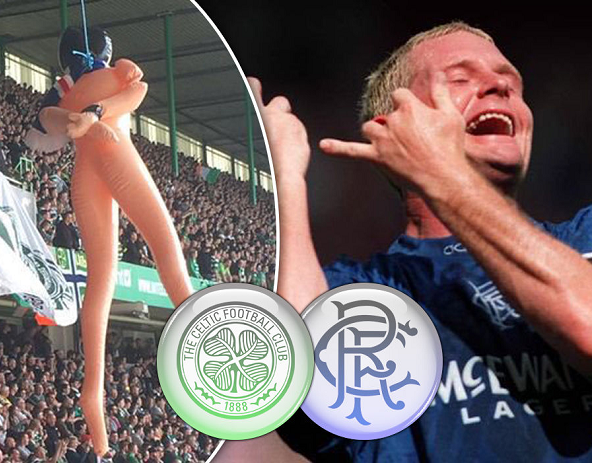


Today, the situation in the city itself has changed much. A large number of Catholics are lawyers, judges, doctors, which was unthinkable fifty years ago. Catholics and prattestants live next to each other and hatred is no longer so pronounced, although all good neighborly relations are forgotten on the day of the game. The players of both clubs and all staff are familiar with the rules of conduct while the match takes place. For example, the director of Rangers was forced to resign after the cameras had shot him while singing the conquered cup with the fans of the anti-Catholic song. Half the ninety-eight in the blue jersey was played by the always-incredible Englishman Paul Gascoigne who once simulated the playing of the frule (traditional instrument oranges) before the fans of Celtic. Penalties followed the popular player, but he, like in many cases before that, did not care much, and he resembled a similar gesture a few years later as a player of Middlesbrough. In a friendly game, his team then met with his ex. The whole stadium scandalized him, and Rangers fans welcomed him ovations. The song “Gazza, Gazza lets play the flute” asked him to beat them again once again, which he did of course.
“The Old Firm” derby has distributed Scots around the world, from America to South Africa, but the situation is most complicated in Alster or Northern Ireland. Wearing a jersey of any club on the streets of Belfast is considered provocative and more than dangerous, and even the police stopped and legitimized those who were dressed in club colors. As the residents of the capital city of Northern Ireland are already over the head of religious intolerance, both of them have begun to laugh, and rather they do not wear blue or green white jerseys. Many of them work together and they avoid any story about who is who, what is well known and famous phrase: “Whatever you said, I did not hear you.”
During the seventh century, Protestants moved from Cromwell England to the Irish province of Ulster, now known as Northern Ireland, and appropriated the most fertile land for themselves, imposing their laws and codes of conduct on them. Only then did the Irish begin to organize, because they did not want their country to be ruled from London.
At the end of the nineteenth and during the first half of the twentieth century, Belfast had its own imitation of The Old Firm derby. In 1891, Belfast Celtic was founded, modeled after a club from Glasgow. The match against the Protestant teams was no less fierce than in Scotland, and in 1940 the game with Linfield was interrupted for shooting. Nine years later, after the general squad of fans and players of both teams, there was a lot of injury on both sides and the worst was passed by one Linfield fighter, who was broken leg. Shortly after these incidents, Belfast Celtic ceased to exist, and Catholics began to follow a small club from neighborhood Cliftonville.
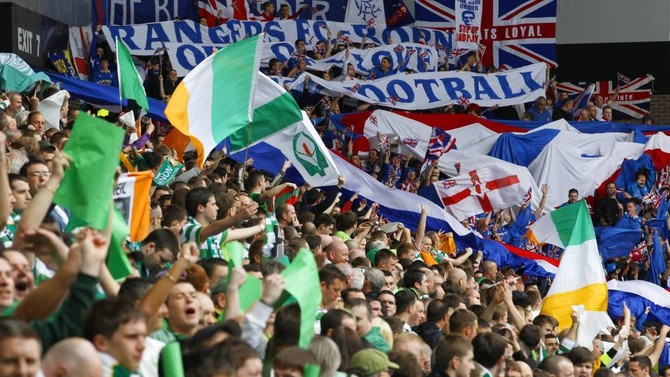


However, both clubs from Belfast are too small, so all the fans are turning to their rivals from Glasgow. It is exactly the fans of Celtic and Rangers from Northern Ireland who are considered the most trusted in Britain. More than eighty percent goes to every game of their clubs. Catholics from Belfast who go to Celtic games are mostly Sinn Fein's voting body, and fifty percent do not have a permanent job. Particularly interesting are the departures on the derby stage when the fans of two teams are obliged to travel separately ships. “Celtic is an Irish club that plays in a foreign league, which is strange,” said Paul Hamill, a Celtic player from Belfast, on the occasion, and added: “In Northern Ireland, you are deciding on a birth for one or the other. There are no neutral ones. Ever since my little recount, Celtic has pulled me in the ears as well as my mom or dad. “Since Celtic fans are mostly Irish, they follow Ireland's reprints. Rangers fans do not care much about the reprints of Scotland. There is even a story that some celebrated when their idol Paul Gascoigne scored a goal for England against Scotland at the European Championship.
In the last decade, Celtic culture has become popular across Europe. Traditional Irish music and dances are popular in many countries.

The Celtic fans are mostly Catholics or “Tims” as they mockingly call them. Rangers are “Prods” protests, Unionists, loyalists … What is interesting is that none of the other fans are hooligans and rarely cause incidents except in the mutual duel, but they are based exclusively on a religious basis. “Celtic does not have a Casulas team. They are all dressed in striped green white jerseys and tracksuits and rarely cause disarray. Rangers is already a different story, but they also lag far behind the hooligans of Aberdeen, Motherwell, or Hearts. Rangers, however, have Casuals, dressed in the model of their southern neighbors. They are called the Inter City Firm (like West Ham, although one has tried to make the ICF abbreviate as Ibrox Casual Firm). A lot of them wear “Hackett” clothes and this collection with St. George with a cross (English flag) on ​​the chest. “Adds our interlocutor.

Celtic fans every year in the middle of March celebrate St. Patrick, while the Rangers celebrate July 12, 1690, the day William, Prince of Orange (Dutch origin) in the Battle of the River Boyne, dragged King James Stuart and his tyrannical authority. Then a monarchy and parliamentary government was established. Every July 12, in the glorious Revolution, festivals and traditional Orange Marches are organized (The Orange Order is an Irish Protestant Society founded in 1795) in the cities of Great Britain as well as in many places in Europe.
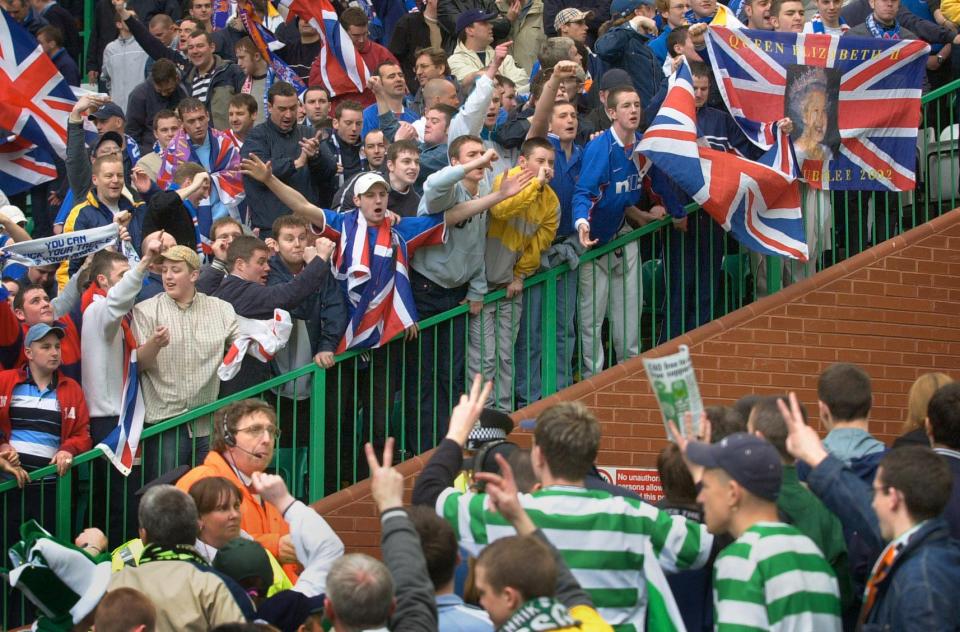


“The songs of the fans of Celtic are mostly Irish traditional, and it is only about the success of the club (winning the European titles in 1967) or the players. Celtic, Celtic are scouting, Henrick Larsson is greeted, and the entire stadium is packed with the appropriated Liverpool's “You Will Never Walk Alone” or the club “Heil, Heil The Celts Are Here!”. When the Celts scroll ” f ** k the Queen! ”, On the opposite side comes the answer ” f ** k the Pope! ” Rangers’ songs are mostly ” sectarian ” (not to say sectarian in order to be in the literal translation, but rather religious but “sick” content and full of hatred with regard to the past), and except on a few occasions when the club is scandal, everything else is reduced to calling the Catholics. “Your moms are stealers, your dads are dealers ! “(your mothers are thieves, and your fathers dealers) sang all seven thousand fans of Rangers, alluding to the dirty jobs that the Irish are traditionally vicarious. On several occasions, “Hello, Hello We Are Billy Boys!” Shouted: “Billy Fullerton was a local mangup, a small crime, a protestant and, of course, a fan of Rangers, whose Razor Gang glows and lights up Glasgow for the twenties years of the last century, although in some places there is a version of Billy's association with Prince William's nickname). Songs “The Sash” (a canvas that oranges carry over the shoulder over the shoulder) and “Derry's Walls” are singing in full with several sculptures. From this second, the famous slogan “No Surrender” (… and the cry was no surrender; surrender or yell die, die, die; with heart and hand and a sword and a shield; we will guard old Derry's walls .. .). One call to the IRAs while others spit and sing about UDF … everything is overly and difficult to understand.